Gaming’s Uneven Progress Toward Diverse Female Figures
2025-11-15
11.7K
352
172
Reclaiming the Feminine Mystique: The Evolving Portrayal of Women in Video Games
The video game industry has long been criticized for its hypersexualized depictions of female characters, often reducing them to mere objects of desire. However, as the gaming audience has become more diverse, developers have made strides to better represent a spectrum of women who defy traditional sexual stereotypes. Yet, not everyone is on board with this shift, as some vocal groups seek to return to the "babes" of the 1990s, like Lara Croft.
Challenging the Status Quo: The Evolving Representation of Women in Video Games
From Samus to Lara Croft: The Objectification of Women in Early Gaming
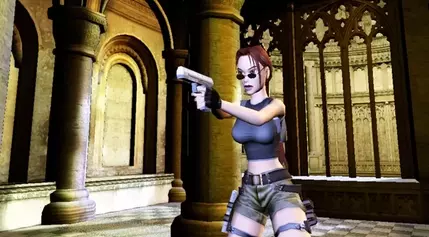
The intergalactic bounty hunter Samus Aran, from the Metroid series, was initially outfitted with a sleek, armored suit, only to reveal a blond woman in a pink bikini if the player defeated the game in under an hour. This was emblematic of the industry's tendency to hypersexualize female characters, a trend that continued throughout the 1990s with the likes of Lara Croft, the Tomb Raider archaeologist with her short shorts, prominent breasts, and often bare midriff, as well as Morrigan Aensland, the batlike succubus of the Darkstalkers series.
Challenging the Stereotypes: The Push for Diverse and Empowered Female Characters
As the gaming audience has become increasingly diverse over the past two decades, developers have made a concerted effort to better represent a spectrum of women who don't conform to 20th-century sexual stereotypes. This has manifested in characters who are resistance fighters, photojournalists, and other strong, independent women who defy the traditional "babe" archetype. The character Jade from Beyond Good & Evil, released in 2003, was part of this pivot away from overly sexualized portrayals of women in video games.
The Backlash: Reactionary Voices Seeking a Return to the "Babes" of the Past
However, not everyone is on board with this evolution in the representation of women in video games. Online influencers, such as Jeremy Hambly, whose YouTube channel has nearly 1.8 million subscribers, have attracted audiences with reactionary videos about social issues in the gaming industry. Hambly is known for his divisive commentary, posting daily videos with titles like "Woke Video Game MASSIVELY FLOPS" and "Internet Fixes Ugly Female Video Game Character & Leftists Explode With Rage!" These vocal groups are pushing for a return to the "babes" of the 1990s, like Lara Croft, arguing that the industry is "defeminizing" women in video games.
The Ongoing Debate: Balancing Representation and Creative Freedom
The debate over the portrayal of women in video games is a complex and multifaceted issue, with valid arguments on both sides. While some argue that the industry has gone too far in its efforts to diversify and "de-sexualize" female characters, others contend that these changes are necessary to better reflect the realities of the modern gaming audience and to promote more empowered and nuanced representations of women. As the industry continues to evolve, the challenge lies in striking a balance between creative freedom and responsible, inclusive representation that resonates with a wide range of players.