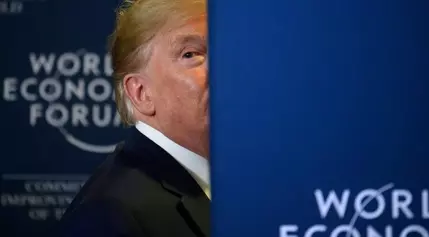
Unveiling the Powerhouse: A Deep Dive into Davos 2024
2025-10-22
7.8K
775
255
To many, the World Economic Forum in Davos represents a convergence of global leaders shaping the future. This year, as it coincides with significant political transitions and economic uncertainties, its importance cannot be overstated. For investors and market watchers, this event promises unparalleled insights into policy shifts, corporate strategies, and emerging trends that will define the next decade.
Unlocking Market Potential Amidst Global Uncertainty
The Elite Gathering: Preparing for an Intense Week
Each year, the World Economic Forum (WEF) in Davos transforms into a crucible of strategic discussions and high-stakes networking. Participants undergo rigorous preparation to maximize their time. Physical fitness routines intensify, diets shift towards health-conscious options, and mental resilience is honed through meditation. The goal is clear: perform at peak efficiency amidst the whirlwind of meetings and events.This year’s WEF holds particular significance as it unfolds on the heels of a pivotal presidential inauguration. CEOs who would typically attend the entire week are now adjusting their schedules to participate in inaugural festivities. By mid-week, they will navigate the dual challenges of interpreting new executive orders and positioning their companies for the upcoming earnings season. The interplay between politics and business sets the stage for a dynamic and unpredictable environment.
Financial Titans: Insights from Banking Leaders
The presence of major banking executives at Davos offers a unique window into the financial sector’s outlook. CEOs from institutions like JPMorgan, Bank of America, Goldman Sachs, Citi, and Morgan Stanley will share their perspectives on critical issues such as interest rates and regulatory changes. Their input becomes even more crucial following recent signals from the Federal Reserve about potential rate adjustments.These leaders have not publicly addressed key topics since the Fed hinted at a pause in rate cuts. As they prepare for the central bank’s January meeting, their comments will carry significant weight. Investors will keenly listen for any hints about monetary policy shifts and how these could influence market sentiment. The stakes are high, and the insights provided could shape investment strategies for months to come.
Retail Revolution: Navigating Tariffs and Supply Chains
Retail CEOs from brands like Polo Ralph Lauren, Williams Sonoma, and Gap bring another layer of complexity to the discussions. These companies find themselves at the forefront of debates surrounding tariffs and supply chain disruptions. Executives will likely delve into how they are adapting their operations to mitigate the impact of tariffs, which has become a pressing concern for both businesses and consumers.The broader implications extend beyond immediate operational challenges. Retailers’ responses to tariffs can offer valuable insights into inflationary pressures and central bank policies. Observers will be particularly interested in whether these companies plan to raise prices in response to increased costs. Such decisions could signal important trends in consumer spending and economic growth, making the retail sector a focal point for analysis.
Tech Transformation: The Race to Lead AI Innovation
Artificial intelligence (AI) remains a hot topic at Davos, but this year’s discussions promise to be more substantive. Last year, conversations centered on AI’s potential; now, there is a growing expectation for tangible outcomes. Investors will demand clear pathways to revenue and profitability from AI-driven initiatives.Tech giants like Microsoft and Alphabet are ramping up efforts to develop advanced AI chips, aiming to rival Nvidia’s dominance in the field. The competition extends to startups and research institutions, all vying for leadership in this transformative technology. Attendees will closely monitor Nvidia’s stock performance, as it serves as a barometer for AI market dynamics. Additionally, insights from leaders of cutting-edge AI firms like OpenAI and Anthropic could provide critical perspectives on the future of chip development.
Crypto Spotlight: Shaping the Future of Digital Assets
The cryptocurrency industry continues to carve out a prominent role at Davos. With Coinbase CEO Brian Armstrong leading the charge, discussions will likely focus on recent volatility in digital currencies and the implications for market stability. The crypto community’s reactions to regulatory developments and the appointment of Paul Atkins as the potential next SEC chairman will also be under scrutiny.Investors and policymakers alike will seek clarity on how cryptocurrencies fit into the broader financial ecosystem. Early assessments of the Trump administration’s stance on crypto and the potential impact on market regulations will be closely watched. The crypto delegation’s presence underscores the growing recognition of digital assets as a significant component of the global economy.
Political Dynamics: Setting the Tone for International Relations
The involvement of political figures adds another layer of intrigue to this year’s WEF. President-elect Donald Trump’s decision to send delegates to Davos creates uncertainty about the U.S.’s international posture. Who represents the administration and what messages they convey could significantly influence global perceptions and market reactions.If delegates arrive shortly after Trump implements policies affecting foreign economies, the resulting headlines may not bode well for market sentiment. The interplay between domestic policy actions and international diplomacy will be a critical factor to watch. The tone set at Davos could have lasting implications for U.S. relations with key trading partners and global economic stability.