Adapting Food Systems to Extreme Heat: Safeguarding Nutrition and Public Health
The global food supply is facing a critical threat from record-breaking temperatures, particularly endangering fresh produce. Urgent action is required to enhance food safety measures, re-evaluate food production impacts, improve cold chain logistics, and adapt dietary practices to ensure the resilience of food systems and protect public health.Fortifying Food Security in the Face of Climate Extremes
Mitigating the Impact of Extreme Heat on Fresh Produce
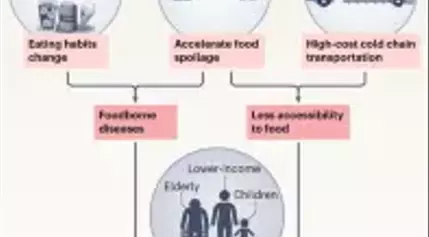
The unprecedented rise in global temperatures is posing a grave challenge to the world's food supply, with fresh produce bearing the brunt of the crisis. Extreme heat events can significantly compromise the quality, safety, and availability of fresh fruits and vegetables, which are essential components of a healthy and balanced diet. As temperatures soar, the delicate balance of these perishable foods is disrupted, leading to accelerated spoilage, increased microbial growth, and reduced nutritional value.To address this pressing issue, a multifaceted approach is necessary. Enhancing food safety measures, such as improved temperature monitoring and cold chain management, can help mitigate the risks associated with extreme heat. Additionally, re-evaluating the impact of food production practices, including the use of sustainable irrigation methods and the adoption of heat-resistant crop varieties, can contribute to the resilience of fresh produce supply.
Strengthening Cold Chain Infrastructure for Resilient Food Systems
The efficient and reliable transportation and storage of fresh produce is crucial in maintaining its quality and safety. However, the global cold chain infrastructure faces significant challenges in the face of extreme heat. Power outages, disruptions in the energy supply, and the lack of access to reliable refrigeration systems can compromise the integrity of the cold chain, leading to widespread food waste and increased food safety risks.To address these challenges, a concerted effort is needed to invest in the modernization and expansion of cold chain infrastructure. This includes the deployment of energy-efficient cooling technologies, the development of renewable energy-powered refrigeration systems, and the implementation of robust monitoring and control mechanisms to ensure the seamless operation of the cold chain.
Adapting Dietary Practices for Nutritional Security
As the availability and quality of fresh produce are threatened by extreme heat, it is crucial to explore alternative dietary practices that can maintain nutritional security. This may involve promoting the consumption of shelf-stable and non-perishable food items, such as canned or frozen fruits and vegetables, which can better withstand the impacts of climate extremes.Additionally, encouraging the diversification of dietary patterns, including the incorporation of locally-sourced and climate-resilient food options, can help mitigate the risks associated with the disruption of global food supply chains. By empowering consumers to make informed choices and adopt sustainable eating habits, we can enhance the overall resilience of food systems and safeguard public health.
Fostering Collaborative Efforts for Comprehensive Solutions
Addressing the challenges posed by extreme heat to the global food supply requires a collaborative and multidisciplinary approach. Policymakers, researchers, industry stakeholders, and community organizations must work together to develop and implement comprehensive solutions that span the entire food value chain.This collaborative effort should focus on the development of early warning systems, the implementation of adaptive agricultural practices, the enhancement of food distribution networks, and the promotion of public awareness and education campaigns. By fostering a coordinated and holistic response, we can ensure that our food systems are better equipped to withstand the impacts of climate change and safeguard the nutritional well-being of populations worldwide.